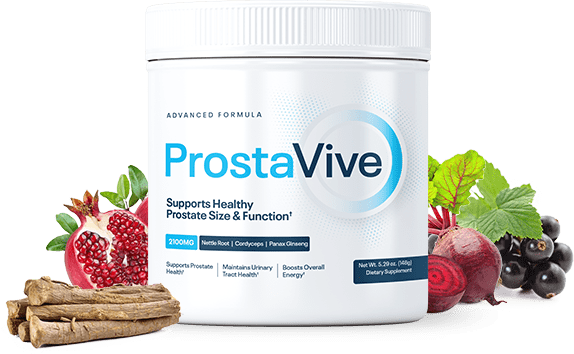
Example Natural Product 1
- Supports urinary comfort.
- Includes plant-based ingredients.
- Designed for prostate wellness.
A clean, science-based landing page about natural compounds discussed in peer-reviewed reviews on benign prostatic hyperplasia and prostate-related research.
Prostate disorders are common in aging men and often begin with urinary symptoms that can affect sleep, comfort, and quality of life. In the literature, benign prostatic hyperplasia is described as a non-cancerous enlargement of the prostate that may cause weak urine flow, urinary frequency, urgency, nocturia, hesitancy, and incomplete bladder emptying.
These symptoms are especially relevant in men over 45 or 50 years of age, but they can also appear earlier depending on individual risk factors. The key concern is not only prostate size, but the burden that these symptoms place on daily functioning.
Several natural compounds have been studied because they may influence inflammation, oxidative stress, androgen metabolism, and smooth muscle tone in the prostate and urinary tract. According to the reviews by Csikós et al., Fontana et al., and Bai et al., botanical extracts and phytochemicals can interact with pathways relevant to urinary symptoms and prostate biology, although the strength of evidence varies widely.
The information below is based on findings reported in the scientific studies and review articles referenced throughout this page. These publications evaluated the potential role of several plant-based compounds and natural ingredients commonly associated with prostate health and urinary function. While research findings vary in strength and consistency, the ingredients discussed below have attracted scientific interest because of their potential anti-inflammatory, antioxidant, hormonal, and urinary-support properties.
Pumpkin seed is one of the most frequently studied natural ingredients for supporting prostate health, particularly in men experiencing normal lower urinary tract functions associated with aging. Research suggests that pumpkin seed extract may help improve urinary comfort, reduce frequent urination, and support better bladder emptying. Scientists have also proposed that certain compounds found in pumpkin seeds may influence the activity of 5-alpha-reductase, an enzyme involved in the conversion of testosterone into DHT, a hormone closely linked to prostate enlargement. In addition to these effects, pumpkin seeds naturally contain phytosterols, antioxidants, and essential nutrients that may contribute to overall urinary tract health.
Saw palmetto is one of the most widely recognized botanical ingredients used in prostate support formulas. Research has identified several mechanisms that may explain its popularity, including anti-inflammatory, anti-proliferative, and smooth-muscle-relaxing effects. Some studies also suggest that saw palmetto may influence pathways related to 5-alpha-reductase activity. These properties have made it a common ingredient in supplements designed to support urinary flow and prostate comfort. However, clinical findings remain mixed, and while some individuals report noticeable improvements, short-term outcomes in certain studies have been similar to those observed with placebo.
Urtica dioica, commonly known as stinging nettle root, has a long history of traditional use for urinary and prostate support. Scientific research suggests that it may provide anti-inflammatory and anti-proliferative effects that could be beneficial for men with mild to moderate urinary symptoms. Some studies have reported improvements in urinary frequency, urinary flow, and overall comfort. The plant contains a variety of bioactive compounds that may help support normal prostate function while promoting healthier urinary tract performance.
Prunus africana, often referred to as pygeum, is a traditional botanical remedy that has been used for decades to support urinary health. Research indicates that it may possess anti-inflammatory properties and may also interact with hormonal pathways involved in prostate enlargement. These effects could contribute to improved urinary flow, reduced nighttime urination, and greater overall urinary comfort. Because of its long history of use and ongoing scientific interest, pygeum remains a common ingredient in many prostate health formulations.
Rye pollen extract has been investigated for its potential role in supporting lower urinary tract function. Although the available evidence is considered moderate, several studies have reported improvements in urinary flow and reductions in residual urine volume following urination. Researchers believe that rye pollen may help support normal muscle function within the urinary tract while also contributing to overall urinary comfort. Much of the existing research has been conducted using mixed pollen preparations, which makes it more challenging to isolate the effects of rye pollen alone.
Lycopene is a naturally occurring carotenoid found primarily in tomatoes and other red fruits. It is widely recognized for its powerful antioxidant properties and its potential role in supporting healthy inflammatory responses. Research suggests that lycopene may help improve certain lower urinary tract symptoms and support overall prostate health. Beyond urinary function, lycopene has attracted significant scientific attention because of its biological relevance in advanced prostate cellular health research, particularly regarding its potential influence on inflammation, oxidative stress, and cellular signaling pathways. These characteristics have made it one of the most extensively studied nutrients associated with prostate wellness.
Epilobium angustifolium, commonly known as willowherb, is an emerging botanical that has shown promising results in prostate health research. Studies have reported anti-inflammatory, antioxidant, anti-proliferative, and anti-androgenic activities that may contribute to improved urinary function. Notably, a placebo-controlled human study observed improvements in urinary symptoms as well as reductions in post-void residual urine volume. These findings have increased scientific interest in willowherb as a potential complementary ingredient for supporting prostate and urinary tract health.
Maritime pine bark extract, frequently standardized as Pycnogenol®, is valued for its high concentration of antioxidant compounds known as procyanidins. Research suggests that it may help support healthy inflammatory responses and protect cells from oxidative stress. Some studies have also reported benefits for men experiencing early urinary and prostate-related symptoms, along with a possible association with lower DHT levels. By combining antioxidant and anti-inflammatory properties, maritime pine bark extract may contribute to broader support for prostate health and overall urinary function.
How to Choose an Ingredient Blend? Since isolating these nutrients individually can be challenging and costly, high-quality modern formulations combine these botanical elements into single, easy-to-take daily supplements. Below are informational examples of how the consumer market incorporates these ingredients into commercial formulas. The scientific literature cited on this page reflects isolated compounds and is not intended to represent specific product clinical trials.
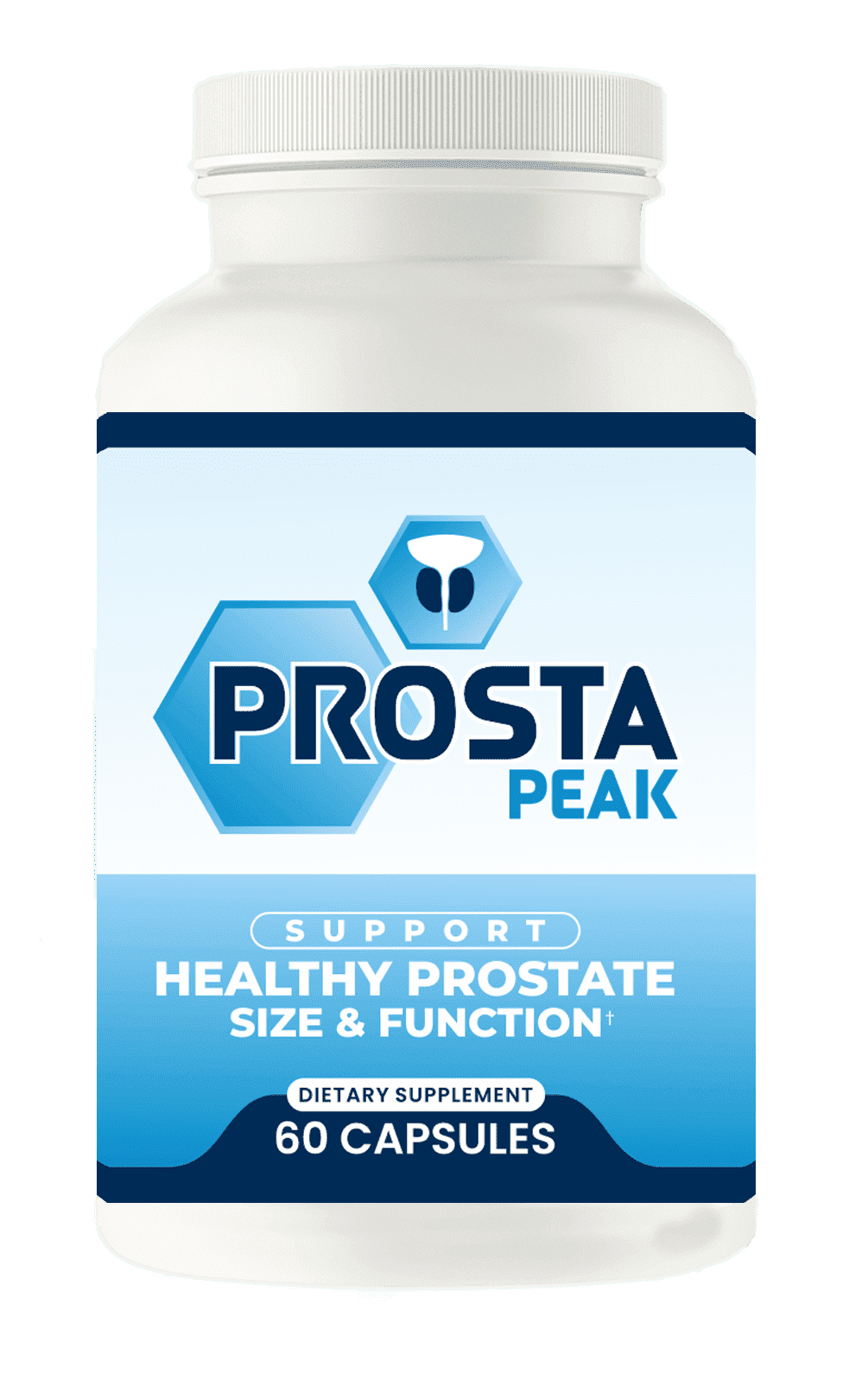
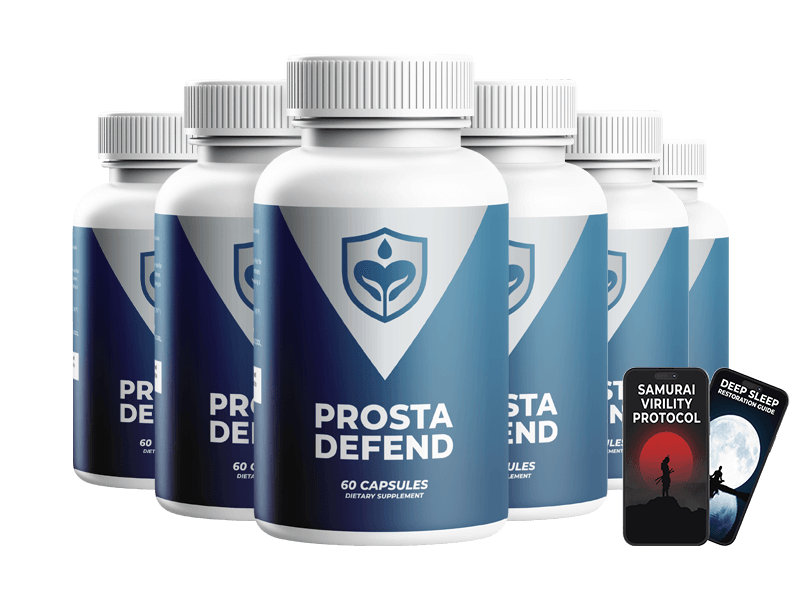
Current scientific research suggests that several plant-based ingredients may support prostate health and help address certain urinary symptoms commonly associated with aging and benign prostatic hyperplasia (BPH). Ingredients such as pumpkin seed extract, saw palmetto, stinging nettle root, pygeum, lycopene, willowherb, and maritime pine bark extract have been studied for their potential roles in supporting urinary flow, reducing inflammation, promoting antioxidant protection, and influencing pathways involved in prostate function.
While the available evidence is encouraging, the strength of research varies between ingredients, and results may depend on factors such as extract quality, dosage, formulation, and individual health conditions. No single ingredient has been shown to work universally for everyone, and further clinical research is needed to better understand the long-term effects and optimal use of these natural compounds.
Overall, the scientific literature indicates that a combination of well-researched ingredients may offer broader support than any single compound alone. This is one reason many modern prostate health supplements combine multiple botanical extracts and nutrients into a single formula designed to support urinary comfort, prostate wellness, and healthy aging.
Csikós, E., Horváth, A., Ács, K., Papp, N., Balázs, V. L., Sollner Dolenc, M., Kenda, M., Kočevar Glavač, N., Nagy, M., Protti, M., Mercolini, L., Horváth, G., & Farkas, Á. Treatment of Benign Prostatic Hyperplasia by Natural Drugs. Molecules. 2021;26:7141.
Fontana, F., Raimondi, M., Marzagalli, M., Di Domizio, A., & Limonta, P. Natural Compounds for Prostate Cellular Health: Mechanisms of Action and Molecular Targets. Cells. 2020;9:460.
Bai, H., et al. Natural Products for Prostate Cellular Health. Frontiers in Pharmacology. 2021;12:738235.
Harvard Health Publishing. Can supplements improve your prostate health? Available at: https://www.health.harvard.edu/mens-health/can-supplements-improve-your-prostate-health.